How to descale a faucet: 5 effective natural methods
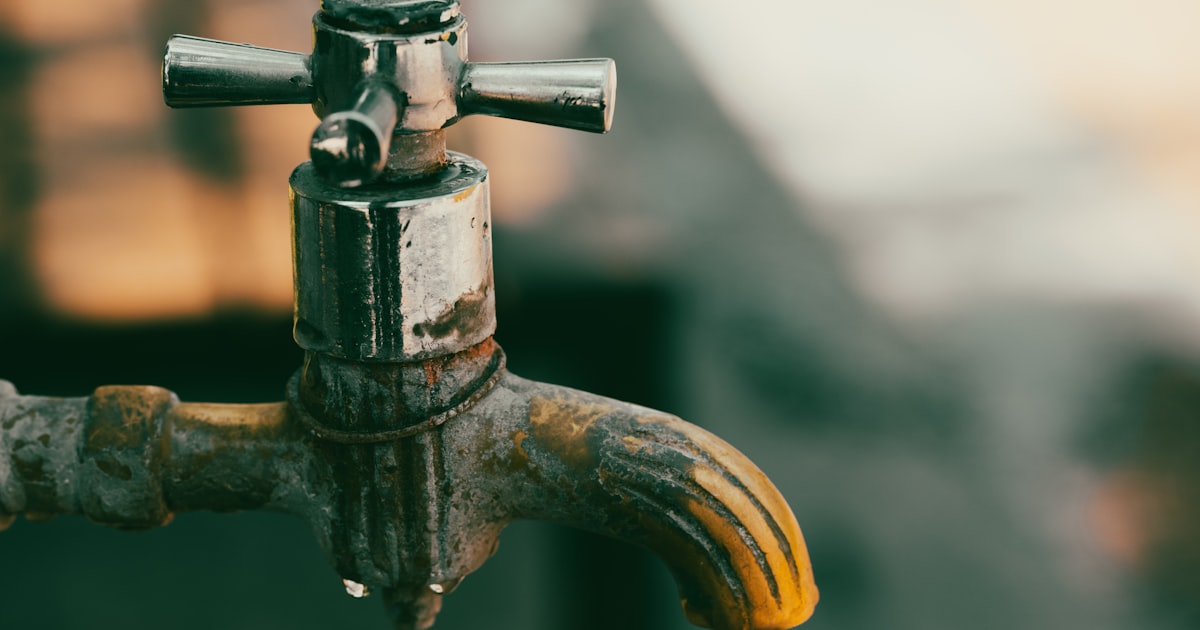
Tap water in Tunisia is hard: 30-50°f hardness depending on region, vs 15-20 in the European average. Result: limescale builds up fast on faucets and aerators, blocking flow within months. Good news, descaling is a 10-15 minute job you can do at home with no harsh chemicals. Here are the 5 most effective methods.
Understand limescale before fighting it
Limescale is calcium carbonate that precipitates as water evaporates. On a faucet it builds up in 3 strategic spots:
- Aerator at the spout tip — reduces flow, distorts the stream
- Faucet exterior — white spots, thick deposits
- Inside the cartridge — rarer but possible, causes leaks or stiffness
Method 1 — White vinegar (most universal)
For: aerators, exterior spots, medium deposits. Time: 30 min to 2h soaking. Cost: 1-2 TND per liter.
- Unscrew the aerator (by hand, or with a wrench if scaled).
- Submerge in pure white vinegar 30 min - 2h.
- For the faucet body: soak a cloth in vinegar, place on stained areas, leave 15-30 min.
- Scrub with an old toothbrush. Limescale fizzes off.
- Rinse with clean water, dry with soft cloth.
Pro tip: warm the vinegar (40-50°C) — efficiency doubles.
Caution: don't leave vinegar on matte black or gold finishes for over 30 minutes.
Method 2 — Citric acid (stronger than vinegar)
For: old limescale, very clogged aerators. Time: 15-30 min. Cost: 5-10 TND per 250g sachet.
- Dissolve 2 tablespoons in a glass of hot water.
- Soak aerator or whole faucet 15-30 min.
- Scrub, rinse thoroughly.
More effective than vinegar on stubborn deposits, no smell. Method used by professionals.
Method 3 — Fresh lemon (small spots)
For: small recent stains, regular maintenance. Cost: 1 lemon (in Tunisia, basically free).
- Cut a lemon in half.
- Rub the limescale area directly with the pulp side.
- Leave 5-10 min.
- Rinse and dry.
Ideal for weekly maintenance that prevents buildup.
Method 4 — Baking soda (gentle, anti-scratch)
For: delicate finishes (gold, matte black), preventive maintenance.
- Make a paste: 2 tbsp baking soda + 1 tbsp water.
- Apply with soft sponge.
- Leave 10 min.
- Rub gently, rinse, dry.
Gentlest method. Doesn't scratch, doesn't discolor. Suitable for PVD finishes.
Method 5 — Commercial descaler
For: extreme cases, no time to soak.
Read the label: most contain hydrochloric or phosphoric acid. Effective but harsh on colored finishes. Use only on standard chrome, wear gloves.
Special case: clogged aerator
Represents 80% of flow problems.
- Unscrew (by hand if possible).
- Disassemble (3 stacked parts: mesh, blades, gasket — note order).
- Soak each part in vinegar 1h or citric acid 30 min.
- Brush each part with old toothbrush.
- Reassemble in correct order.
If flow doesn't return: replace the aerator. Cost: 5-15 TND, universal threading.
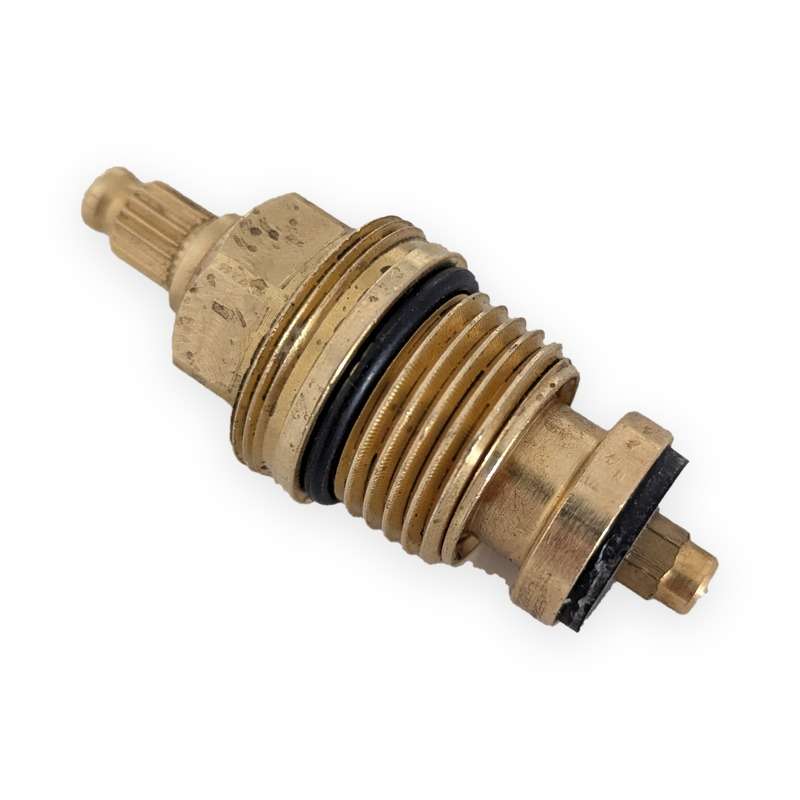
Special case: cartridge
If your mixer creaks, leaks slightly, or becomes hard to turn — cartridge may be scaled internally.
Disassembly:
- Shut water at the valve.
- Remove decorative cap.
- Unscrew Allen bolt underneath.
- Pull handle, unscrew chrome cap.
- Cartridge appears: pull with pliers.
- Soak in white vinegar 2h.
- Reassemble.
Caution: delicate. If unsure, buy a new cartridge (10-30 TND) and replace.
Prevention: stop limescale coming back
Tunis-Ariana, Sfax, Sousse, Bizerte water is particularly hard.
- Wipe faucet after use once daily. 30 seconds, big difference.
- Weekly: lemon + microfiber. 2 minutes.
- Monthly: aerator soak. 10 minutes.
- Annually: full citric-acid descale if needed.
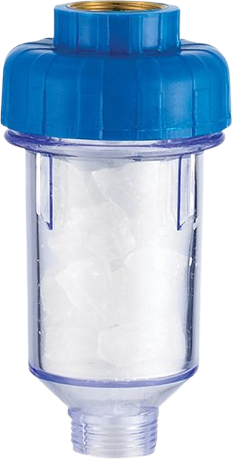
- Water softener: extreme cases (>40°f). 800-2500 TND, pays back in 5 years for big homes.
Mistakes to never make
- Abrasive sponge or metal scraper → permanent chrome scratches.
- Vinegar + bleach mix → toxic chlorine release. NEVER.
- Pure hydrochloric acid → attacks chrome in minutes.
- Whole faucet overnight in citric acid → damages internal seals.
- Forget to shut off water before disassembling cartridge → mini-flood guaranteed.
FAQ — Faucet descaling in Tunisia
How often to descale in Tunisia? Aerator: every 1-2 months. Faucet exterior: weekly for perfect shine. Cartridge: every 2-3 years.
Does vinegar damage chrome? No, standard chrome resists weak acids.
My faucet trickles, is it limescale? 95% yes — it's the aerator. Disassemble and soak.
Summary — which method when
| Situation | Recommended method |
|---|---|
| Clogged aerator | Citric acid 30 min |
| Light exterior scale | Lemon or vinegar |
| Heavy exterior scale | Warm vinegar 1-2h |
| Matte black / gold finish | Baking soda only |
| Scaled cartridge | Buy new |
| Weekly preventive | Lemon + microfiber |
Tunisian limescale isn't inevitable: 10 min/month and your faucets stay like new for 15+ years. If your faucet is genuinely end-of-life, browse our mixers.