How to Choose a Reverse-Osmosis System for Purer Water at Home
Introduction
In many parts of Tunisia, tap water is hard: it leaves white scale on faucets, clogs up kettles and washing machines, and sometimes carries a noticeable chlorine taste. A home reverse-osmosis (RO) system is today's most complete solution for clear, neutral-tasting water straight from the kitchen tap. This guide explains how a 5-stage osmoseur works, what it actually costs to run, and — most importantly — how often to service the cartridges, the part most people overlook.
Why tap water is a problem in Tunisia
Water distributed by SONEDE is safe to drink, but its hardness varies significantly by region and season: the more dissolved calcium and magnesium it carries, the "harder" it is. This shows up as visible limescale, weaker lathering with soap and shampoo, and faster wear on household appliances. The chlorine used to disinfect the network also gives some people a noticeable taste or smell in a glass of water. An RO system doesn't change the water's basic potability, but it removes these dissolved elements and gives the water a neutral taste, close to bottled water.
How a 5-stage reverse-osmosis system works
The principle is simple: water passes through several filters in series before reaching a very fine membrane, then a final polishing filter. Each stage has a specific job:
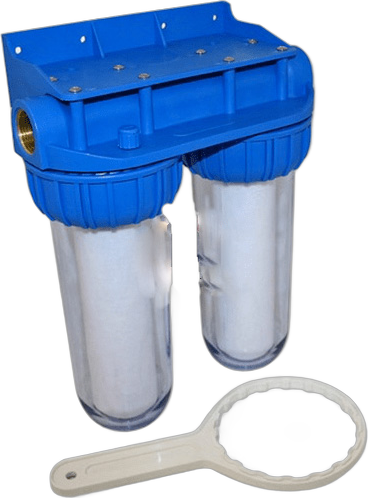
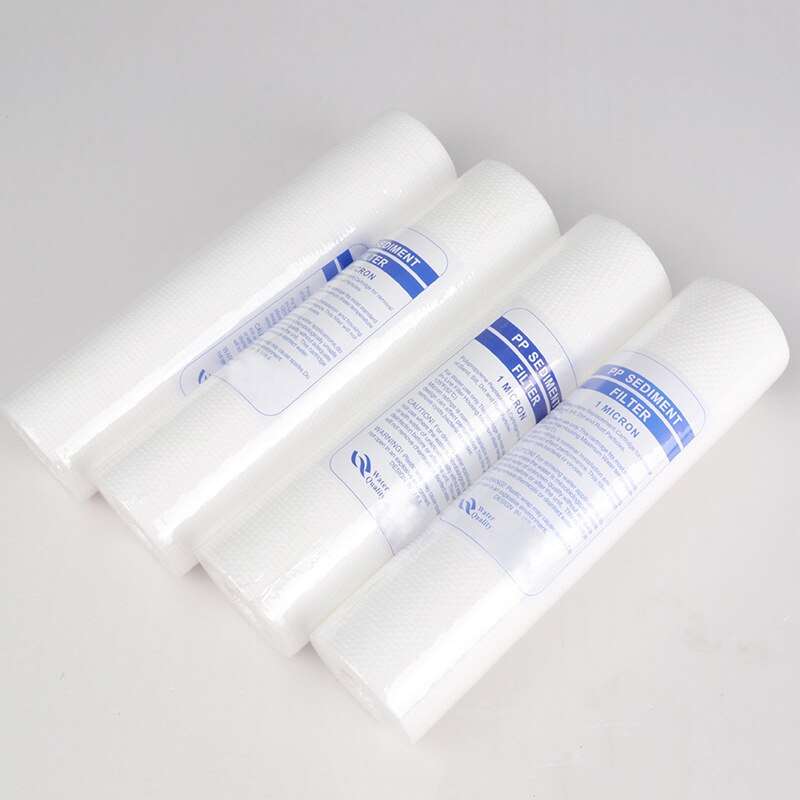
- Sediment pre-filter (PP) — a 5-micron polypropylene cartridge that traps sand, rust, and suspended particles before they can damage the later stages.
- Activated-carbon pre-filter (UDF) — removes chlorine, residual pesticides, and off-tastes or odors.
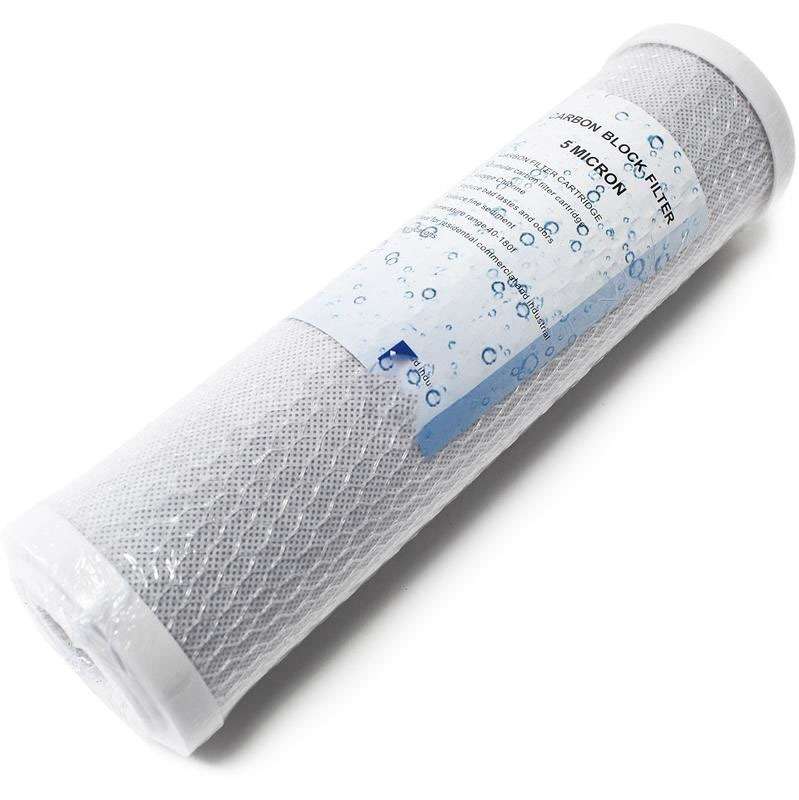
- Compact carbon pre-filter (CTO) — a second, finer carbon pass that protects the membrane from any remaining micro-particles.
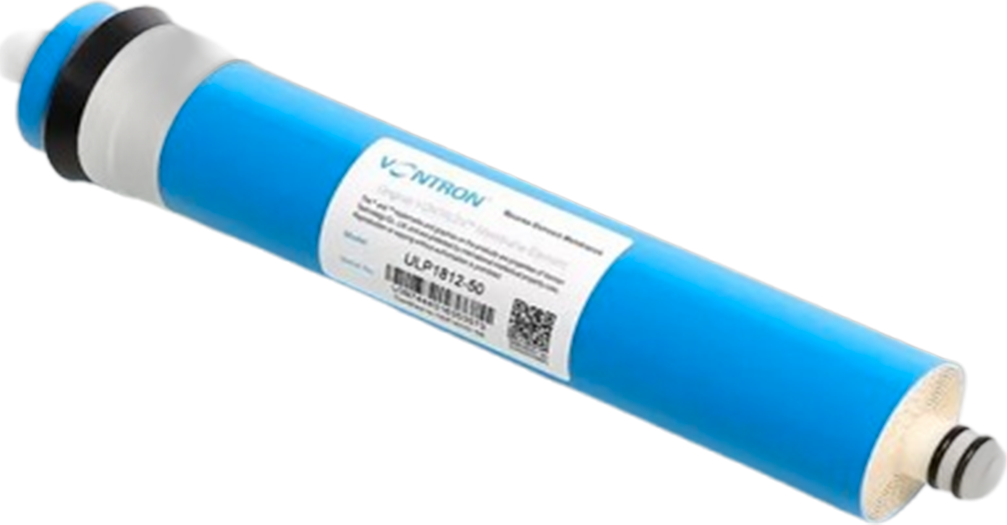
- Reverse-osmosis membrane — the heart of the system: it blocks dissolved salts, limescale-forming minerals, heavy metals, and bacteria, letting through essentially only water molecules. This is the stage that gives the water its neutral taste.
- Final polishing filter — one last carbon pass right before the tap, for water that is fully clear and clean-tasting.
On a unit like the 5-stage reverse-osmosis system with pump, a small built-in pump compensates for the low water pressure that's common in parts of the Tunisian network, feeding a storage tank so filtered water is available on demand — no waiting for every glass.
What an RO system costs to run
The installation itself is a one-time investment. The recurring cost comes down to essentially two things:
- Periodic replacement of cartridges and the membrane (see the schedule below) — this is nearly the entire running cost.
- Pump electricity, which is negligible: it only runs intermittently, while topping up the storage tank.
There's no subscription and no hidden consumable beyond that. Current pricing for the system and its consumables is always shown on the product page and moves with the market — we prefer not to fix a figure here.
Maintenance: how often to change the cartridges
This is the single most important factor in keeping water quality consistent — a poorly maintained system loses effectiveness even if the taste doesn't seem to change right away:
| Part | Typical interval | Why |
|---|---|---|
| PP sediment cartridge | Every 6–12 months | Clogs with the particles it traps; sooner if the water is turbid |
| Carbon UDF cartridge | Every 6–12 months | Activated carbon saturates and stops absorbing chlorine/odors |
| CTO pre-filter | Every 6–12 months | Same reason — protects the membrane |
| Reverse-osmosis membrane | Every 2–3 years | Replaced far less often, but it determines overall system performance |
| Final polishing filter | Once a year | Ensures the final taste right before the tap |
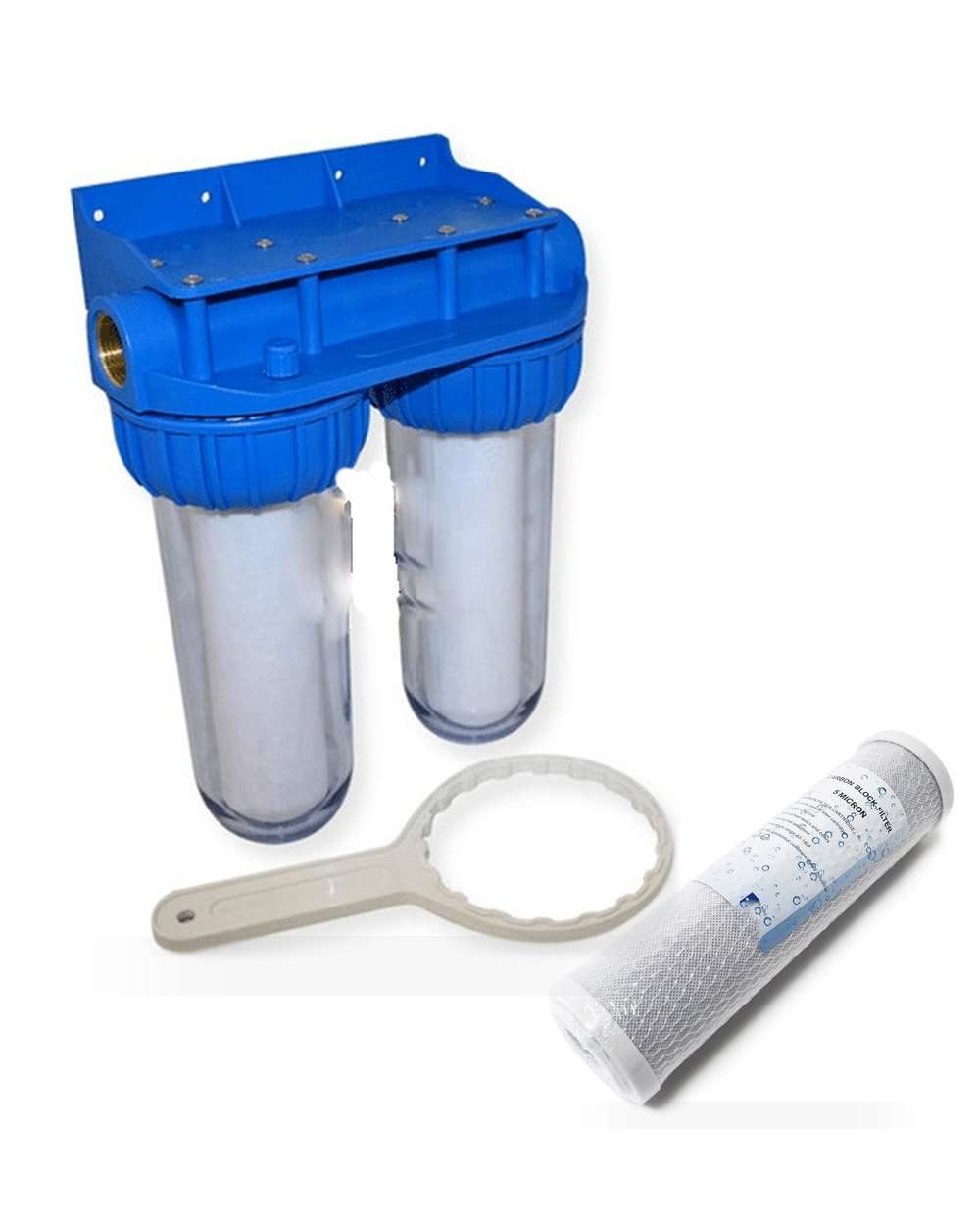
These intervals are indicative: heavily sediment-laden water or intensive use can shorten them. To simplify routine maintenance, a PP + CTO + UDF refill kit lets you swap the first three stages in one go, instead of ordering each part separately at every service date.
What to check before buying
- Output and tank size: check the daily production capacity and storage-tank volume against your household size.
- Built-in pump: recommended if your water pressure is low, which is common in some neighborhoods.
- Cartridge format: stick to the standard 10-inch format — easier to find and cheaper to replace over time.
- Ease of maintenance: a system with screw-in, tool-free cartridges makes changes quick.
Conclusion
A well-chosen, well-maintained RO system reliably transforms your tap water, free of limescale and chlorine taste. The real secret isn't just picking the right system — it's staying on top of cartridge maintenance. Browse our full water treatment range to find the system and consumables that fit your household.