Water Cuts: How Your Home Tank Keeps You Self-Sufficient
The tank: your real answer to water cuts
In Tunisia, water cuts are part of daily life. In summer, pressure drops and the network can't keep up. SONEDE works can shut off a whole street for hours. In many neighbourhoods, water only runs for part of the day. Finding yourself without a drop at the wrong moment — right before cooking or a shower — is frustrating, especially with kids at home.
The simplest and most reliable solution is a storage tank. The principle is clear: the tank fills up when water is flowing, and keeps a reserve for you when the mains are cut. You keep drinking, cooking, washing and cleaning without even noticing the cut. That's what autonomy means: no longer living by SONEDE's timetable.
In this article, we'll explain how to set up your tank, how many days it can cover you, and above all how to manage and save water during a cut. If you don't have a tank yet, start with our guide to choosing the right tank; here, we focus on everyday use.
How to set it up at home: the two main options
We won't turn you into a plumber — for the actual connection, call a professional. But it helps to understand the two possible setups so you can choose knowingly.
Option 1 — Tank up high (roof or terrace): gravity does the work. This is the most common and most economical setup. The tank sits up high, and water flows down to your taps on its own by gravity. No electricity needed: even when the power goes out, you have water. Pressure depends on height — the higher the tank sits above your taps, the better the flow. For a genuinely comfortable shower, you often need a bit of height.
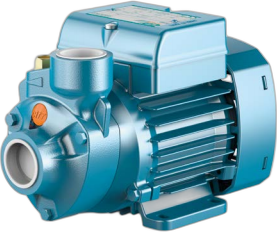
Option 2 — Tank on the ground + a booster pump (surpresseur). If you can't raise the tank, it sits on the ground and you add a booster pump: a small pump that pushes water to your taps with good pressure. Comfort guaranteed, but it needs electricity — keep that in mind in case of a simultaneous power cut.
In both cases, two accessories change everything:
- The float valve (ball valve / robinet flotteur). This is the key part for water cuts. It shuts the inlet when the tank is full and automatically reopens it as soon as the mains water returns. The result: your tank refills by itself during the hours water flows, often overnight. No more running to check the level.
- A closed lid. Always keep the tank covered: no dust, no insects, no light (so no algae). Simple but essential for clean water.
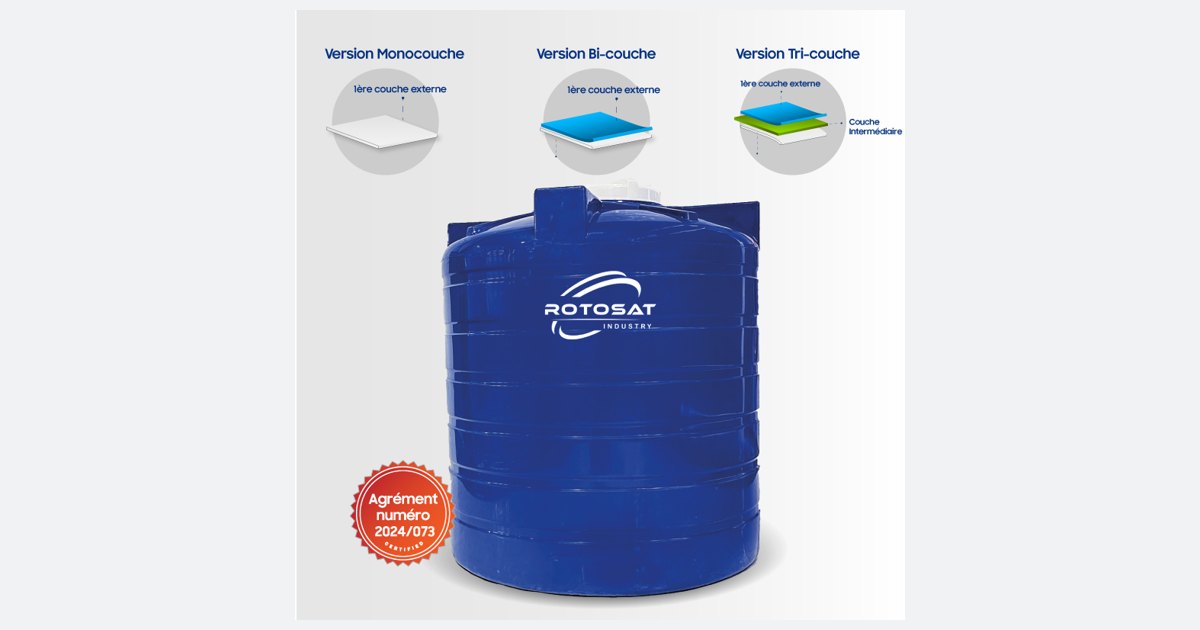
For choosing the material and number of layers based on sun exposure, we cover it all in our article on single, double or triple layer tanks.
How much autonomy? The 30-second calculation
The right question: how many days does my tank cover me without the network?
The basic rule: one person uses about 150 litres per day (drinking, cooking, shower, toilet, cleaning). Divide your tank's capacity by the household's total consumption:
Days of autonomy = tank capacity ÷ (number of people × 150 L)
Some concrete benchmarks:
| Household | Use/day | 1000 L covers… | 250 L covers… |
|---|---|---|---|
| 1–2 people | ~300 L | ~3 days | ~1 day (top-up) |
| 3–4 people | ~600 L | ~1.5 days | a few hours |
| 5–6 people | ~900 L | ~1 day | emergency backup |
Two important tips:
- Always keep a reserve. Don't plan to hit zero: aim to leave the last quarter untouched, to absorb a cut that lasts longer than expected.
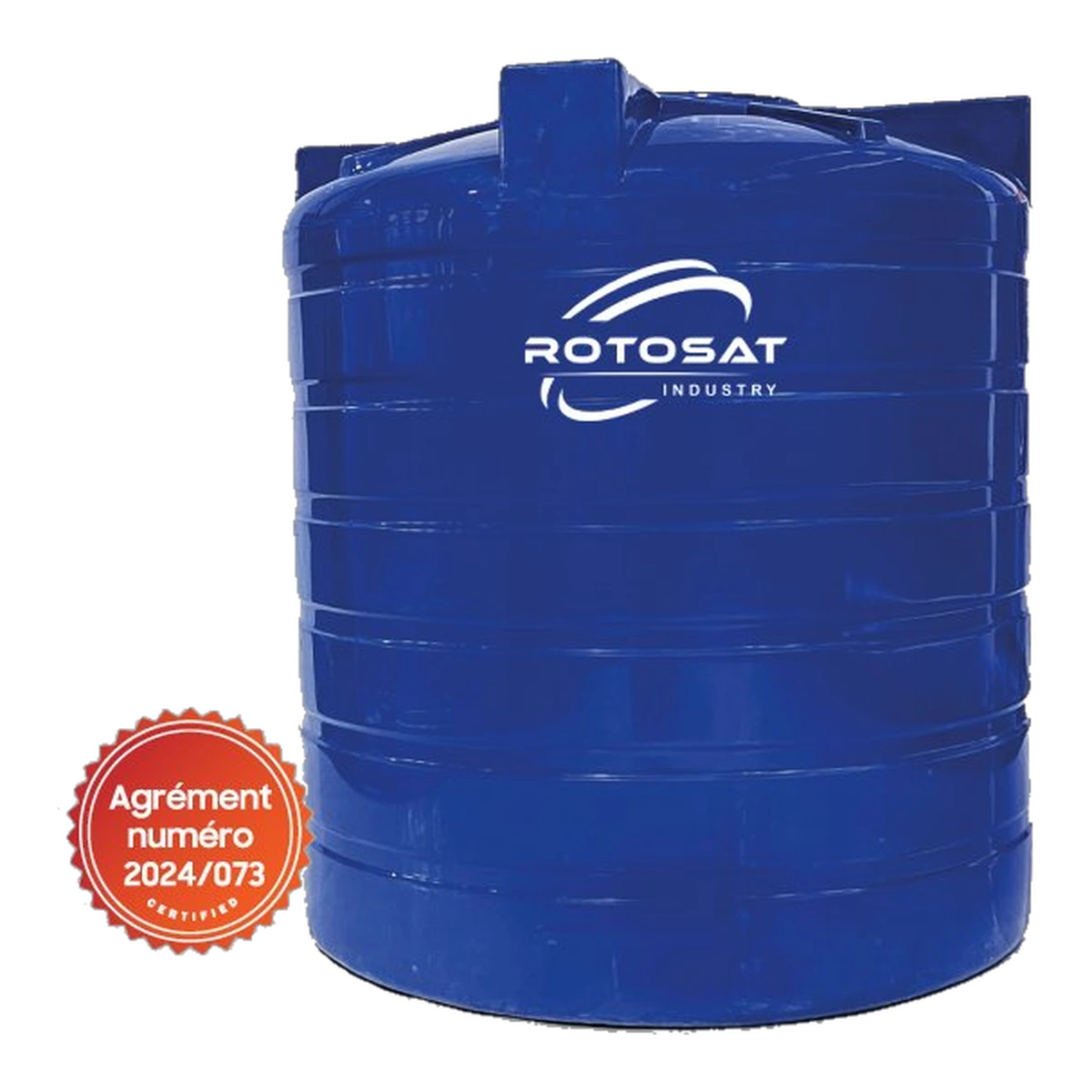
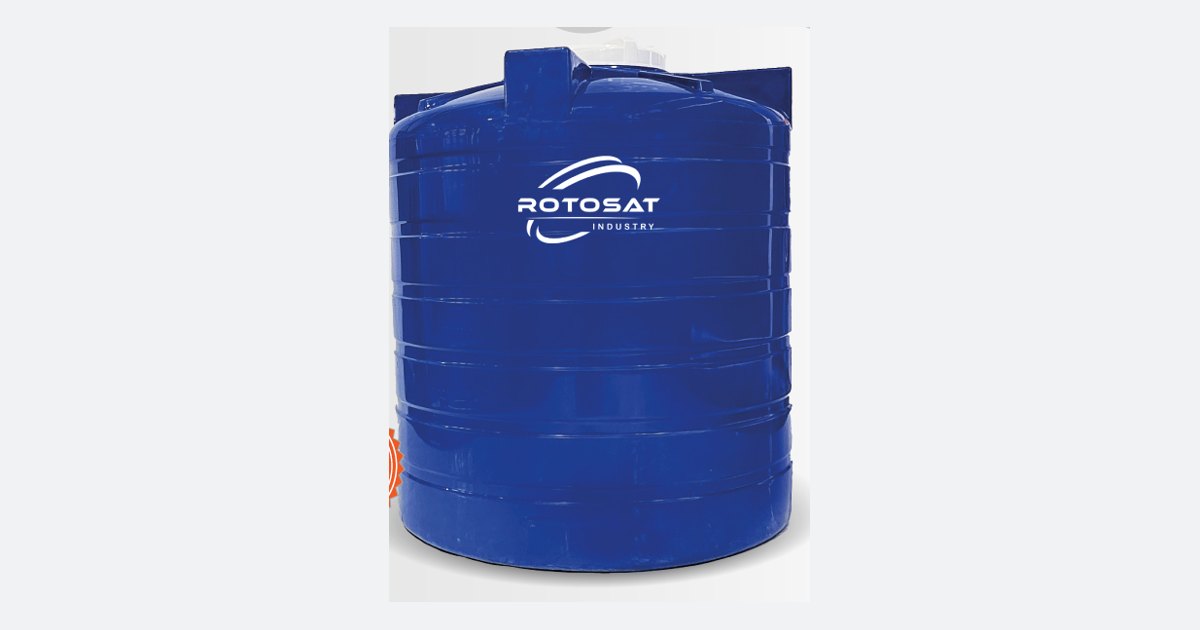
- When cuts are frequent, size up. A 1000 L blue triple-layer tank gives a family a comfortable reserve. A 250 L white tank is perfect as a top-up for a studio or to complement a larger one. The full range is on the water tanks page.
Managing and saving water during a cut
A full tank is good. Making it last is better. Here's how to hold out longer without going short on the essentials.
Prioritise your uses. During a prolonged cut, the order is simple: first water for drinking and cooking, then basic hygiene, and last cleaning and watering. Always keep a few bottles filled separately for drinking.
Adopt the right anti-waste habits:
- Short showers rather than baths. Turn the water off while you soap up.
- Reuse rinse water (the clean water that runs while you wait for it to heat up, vegetable-washing water) for the toilet flush or mopping floors.
- Half-flush whenever possible.
- Fix leaks immediately. A dripping tap can waste dozens of litres a day — that's autonomy gone to waste.
- Turn off the tap while brushing teeth and doing dishes.
Rotate the stored water. Water that sits too long loses its freshness. Thanks to the float valve, your tank renews itself naturally each time the mains return — that's exactly what keeps the water alive. Don't let a bit of water sit for weeks at the bottom without ever being used.
Keeping stored water clean and safe
Since you drink and cook with this water, cleanliness is no small detail.
- A food-grade tank, above all. Our Rotosat Industry tanks are made of UV-treated PEHD, a plastic designed for drinking water, odourless, with a PVC drain valve. They are certified 100% food-grade by the Tunisian Ministry of Health (approval 2024/073): the water stays safe, with no taste transfer or leaching.
- Always covered, out of direct sun. A closed lid and protection from direct light prevent algae growth and bacteria.
- Periodic cleaning. Empty and clean the tank regularly (ideally once or twice a year) to remove sediment at the bottom. We explain how in our guide to cleaning and maintaining your tank.
- Regular renewal, ensured by the float valve as noted above.
In short
A well-installed, well-managed tank turns water cuts into a non-event. Choose a capacity that leaves you a few days of autonomy, install it up high (or with a booster pump) with a float valve for automatic refilling, and adopt a few water-saving habits during cuts. All with a food-grade tank so your water stays clean.
At Sanitech (Siliana), we help you choose the right capacity for your household. Delivery across Tunisia, cash on delivery. Explore our water tanks and get through the next cut without giving it a thought.